1
The world is so difficult to give up,
tied to it by small things,
my eyes noting movement,
color and form. I am watching,
unable to leave, for something
is happening, and so I stand
in a shower of rain
or under a hot sun, wornout
with looking.
– Sunday Poem: David Ignatow from Shadowing the Ground
The World Is So Difficult to Give Up
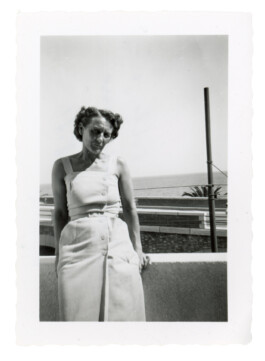
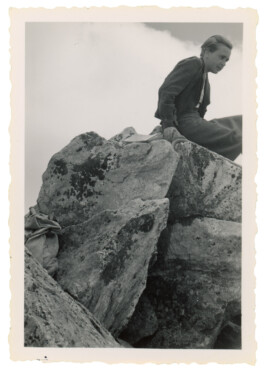
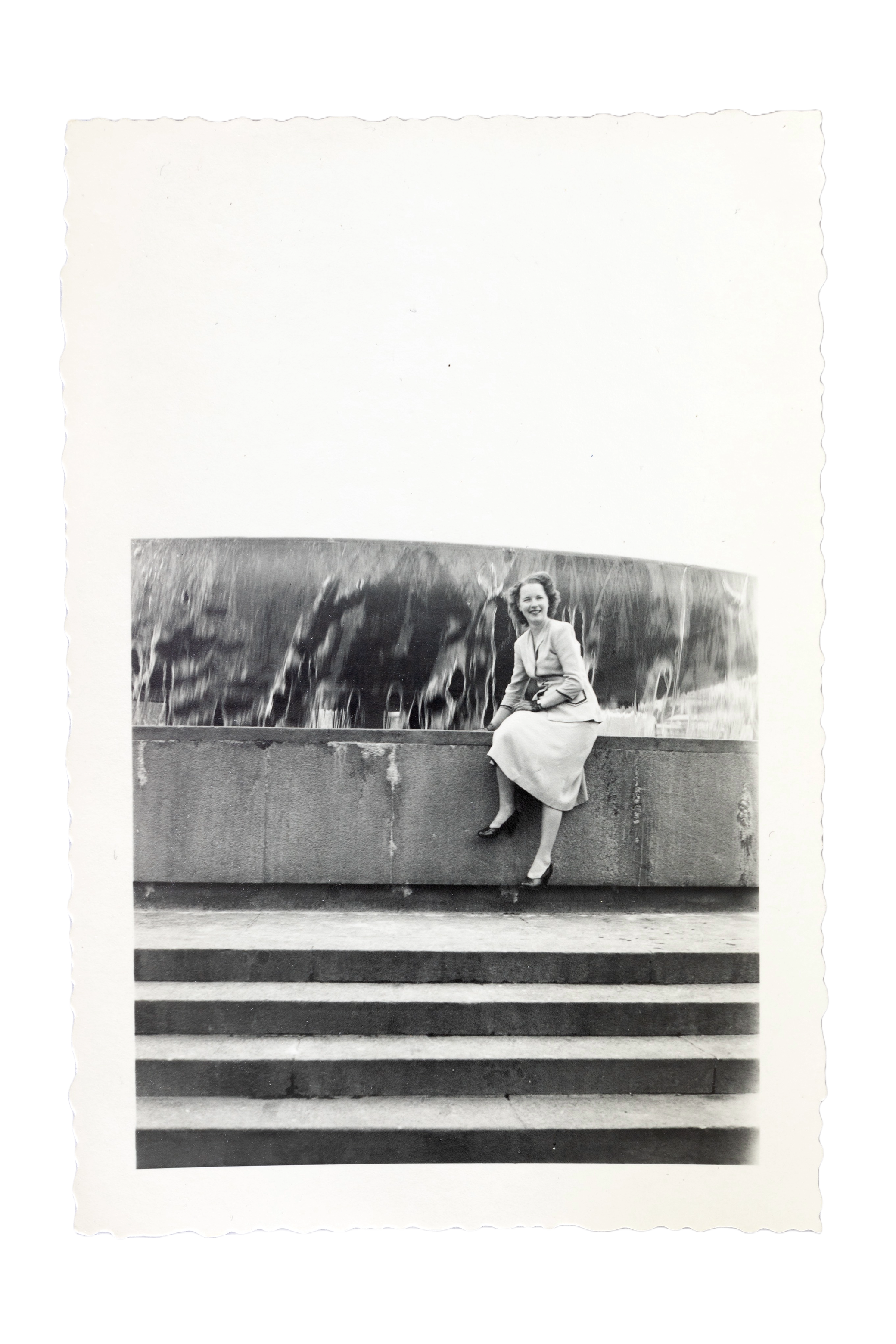
The World Is So Difficult to Give Up is an ongoing project composed entirely of vernacular photographs found in thrift stores. I do not know who made these pictures, who the people are, or how the photographs eventually found their way onto the shelves of second-hand shops. Their histories have disappeared, leaving only the images themselves.
Most of the photographs are portraits. Faces look back at us with expressions of joy, tenderness, pride, uncertainty or grief. Yet every emotion remains suspended in uncertainty. We can never know what happened before or after the shutter was released, nor why these images were ultimately relinquished.
Roland Barthes famously wrote that every photograph declares, "This has been." These photographs seem to suggest something different. They tell us not only that a moment once existed, but that it once mattered. At some point, however, someone decided that these memories no longer belonged in a family album, a drawer, or a home. They were not destroyed. They were released into the world.
Their passage into a thrift store marks the beginning of a second life. Detached from names, places and biographies, the photographs cease to function as private memories and become anonymous objects, open to new interpretations. Like archaeological artefacts separated from their original context, they survive as fragments—material traces of lives whose stories can no longer be reconstructed with certainty.
For me, the project is not about recovering those lost histories. It deliberately resists the temptation to identify the people or uncover their biographies. The absence of certainty is not a limitation but the very condition that gives these images their power. Every attempt to explain them inevitably reveals more about ourselves than about those depicted. We become their authors, projecting our own memories, fears and desires onto faces that remain forever silent.
Perhaps this is why the photographs are so difficult to abandon. Someone chose not to throw them away, but neither could they continue to live with them. Instead, they entered a space between remembrance and oblivion—a place where private memory dissolves into collective imagination.
The world, it seems, is indeed difficult to give up.